Quartz or marble

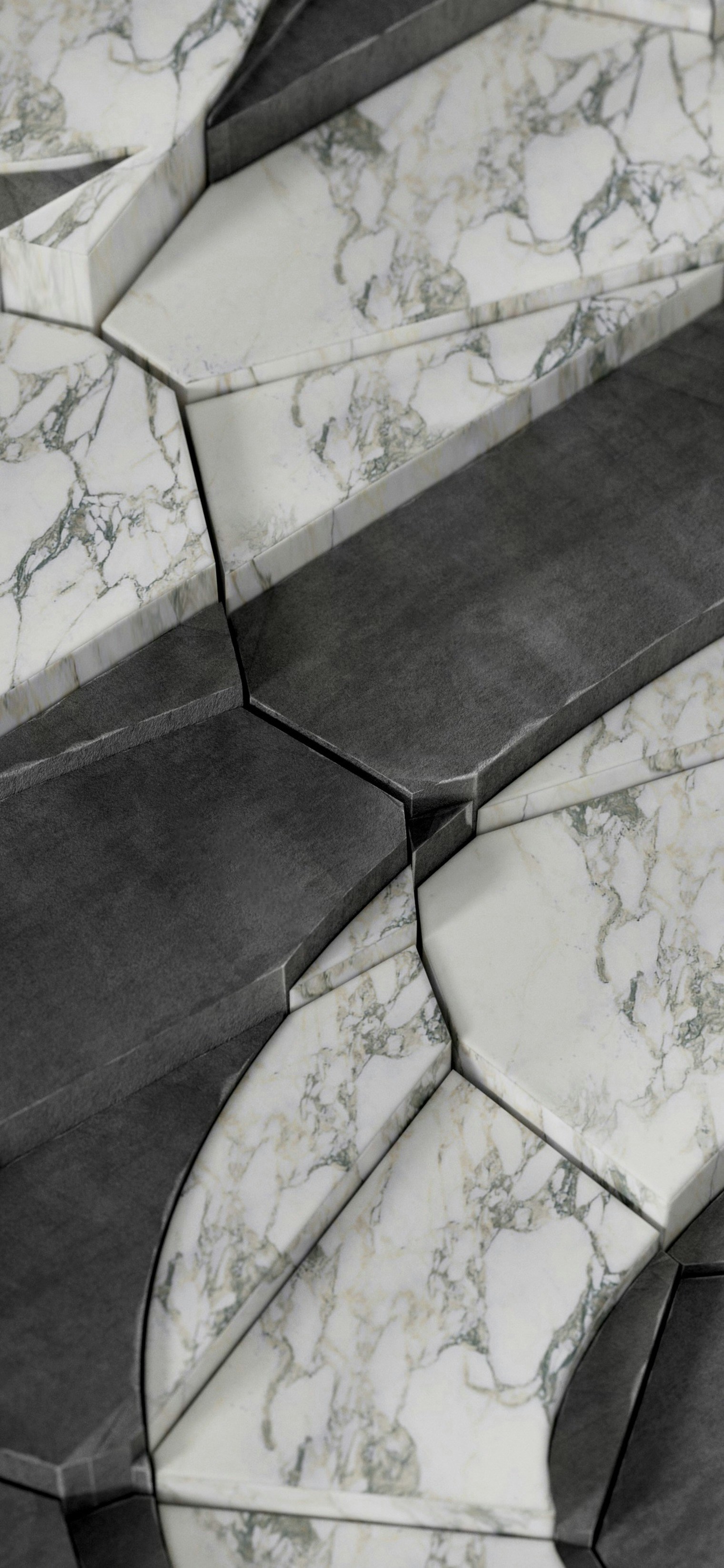
Carrara Marble Sculpture

quartz or marble

Choosing the right countertop is crucial for any home renovation. Quartz and marble are two popular options. Each offers unique benefits and challenges.

Quartz countertops are engineered stone, known for their durability and low maintenance. They come in a wide range of colors and patterns. Marble, a natural stone, is celebrated for its classic beauty and unique veining.

Deciding between quartz and marble depends on your lifestyle and design preferences. Consider factors like maintenance, cost, and appearance. This guide will help you make an informed choice for your kitchen or bathroom project.

Explore the features, benefits, and drawbacks of quartz and marble countertops. Make the best decision for your home.
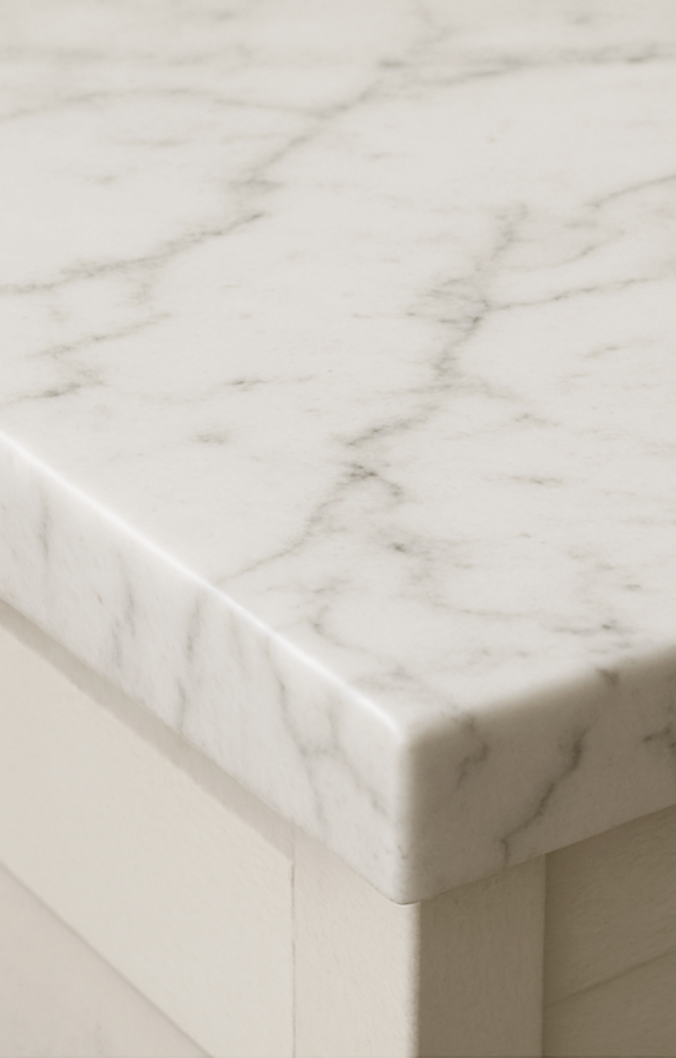
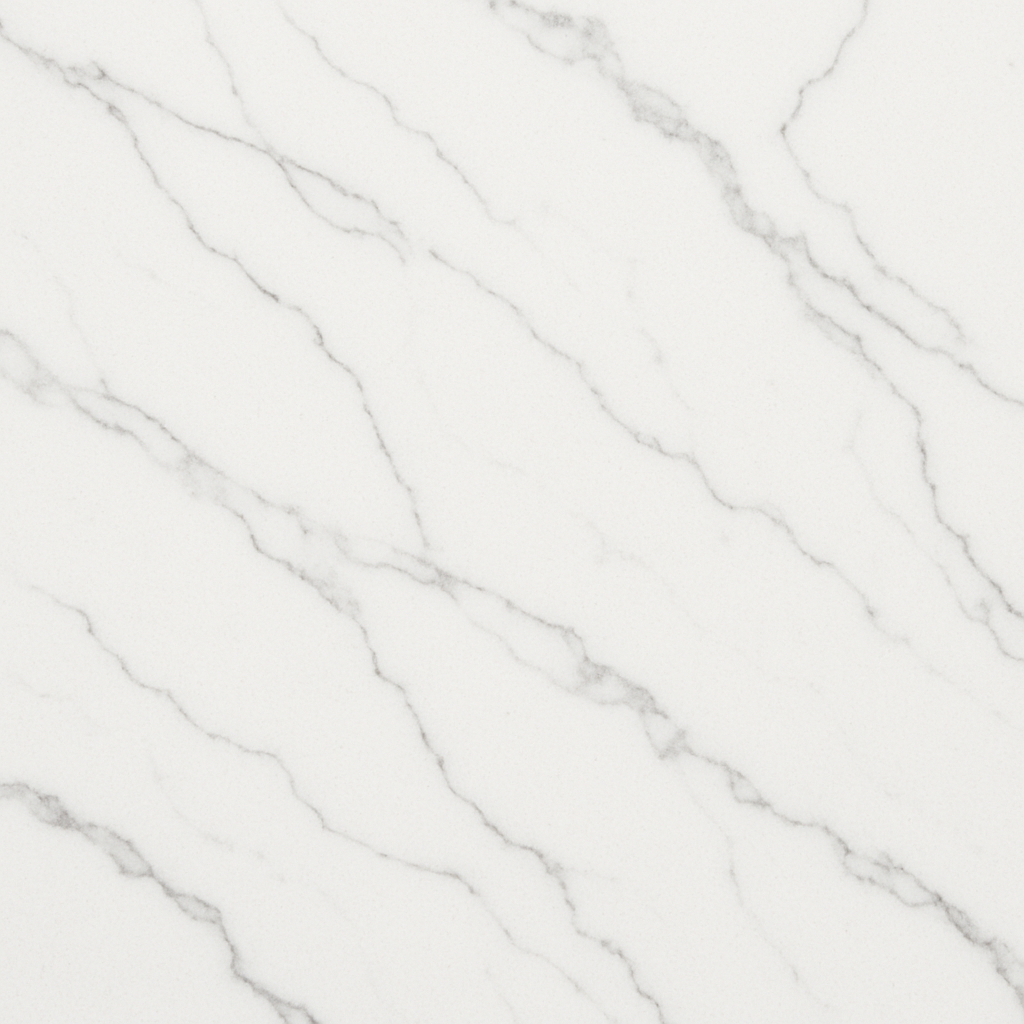
Understanding Quartz and Marble Countertops

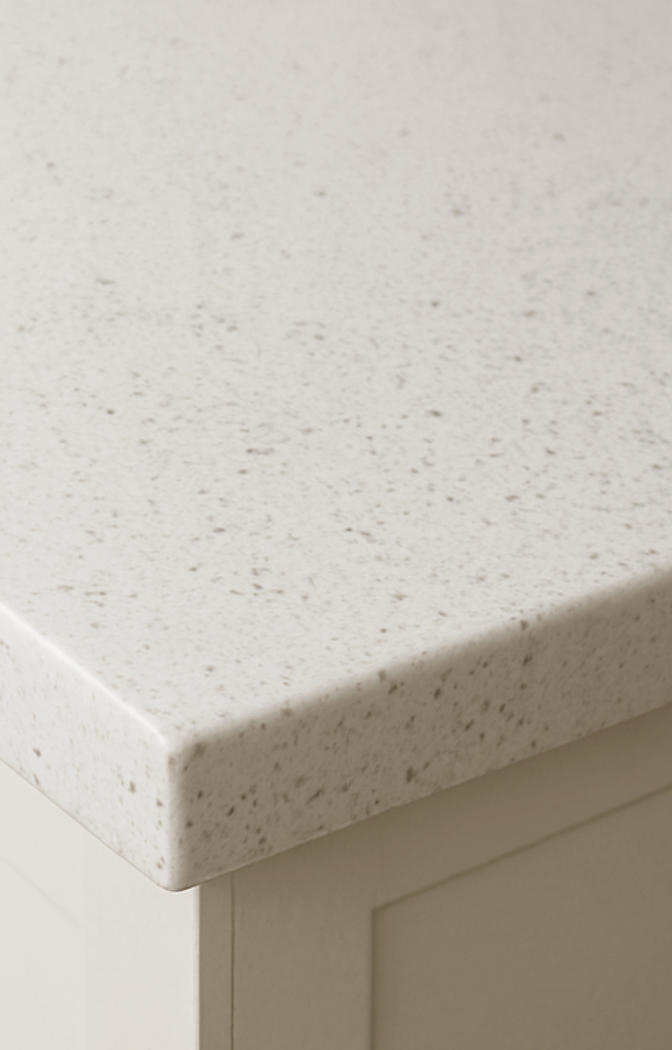
Quartz countertops are made from engineered stone. They combine natural quartz crystals with resin to create a solid surface. This process results in a non-porous material that resists stains and bacteria.

Marble, on the other hand, is a natural stone formed from limestone. Its beauty lies in its distinct veining patterns. However, it is porous and requires regular sealing to maintain its appearance.

Key characteristics of quartz and marble include:

  • Quartz:Engineered, non-porous, low maintenance
  • Marble:Natural, porous, high maintenance, unique veining

When selecting countertop materials, consider how each fits into your home's design and practicality needs. Quartz is ideal for those seeking durability and ease of cleaning. Marble suits those who prioritize a luxurious look and are willing to invest time in maintenance. Understanding these materials' traits will aid your decision, ensuring the final choice meets your expectations and enhances your home.

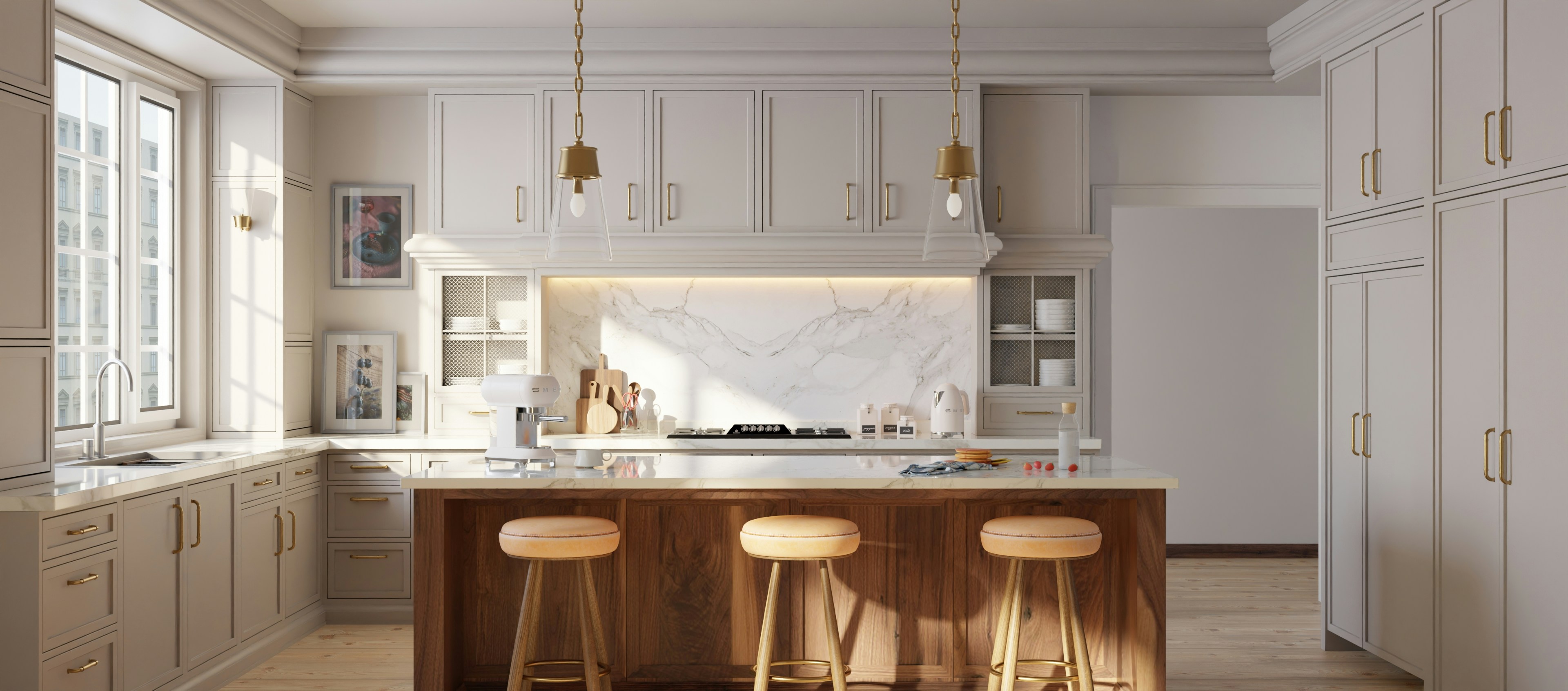
Carrara Marble Worktop

Appearance and Design: Quartz vs Marble

The appearance of countertops can significantly impact a room's aesthetic. Quartz offers a wide array of colors and patterns, thanks to its engineered nature. This versatility allows it to fit various design styles, from modern to classic.

Marble captivates with its timeless and unique veining. Each marble slab is one-of-a-kind, which can add a bespoke touch to any space. However, it has limited color options, typically found in shades of white, gray, and beige.

Key design elements of quartz and marble include:

  • Quartz:Wide color range, consistent patterns, modern look
  • Marble: Unique veining, classic appearance, limited colors

Quartz can mimic the look of marble without its maintenance demands. This makes quartz an appealing option for those who desire elegance with less upkeep. In contrast, true marble's natural beauty offers a sense of opulence unmatched by manufactured alternatives.

Ultimately, the decision between quartz and marble will hinge on personal taste and the desired atmosphere of the space. Both options can deliver stunning results when chosen with care and consideration of the overall design vision.

Carrara Marble Availability

Durability and Performance: Which Lasts Longer?

Durability is a crucial factor when choosing countertop materials. Quartz, being an engineered stone, offers superior strength and resistance to chipping and scratches. This makes it a favorite in busy kitchens and family homes.

Marble, though luxurious, is softer and more prone to damage. It can be scratched or etched by acidic substances like lemon juice or vinegar. These vulnerabilities necessitate careful use and regular maintenance.

Key durability characteristics of quartz and marble include:

  • Quartz:Scratch resistant, non-porous, withstands heavy use
  • Marble:Soft, porous, requires sealing to prevent stains

Quartz's non-porous nature also provides resistance to bacteria and stains. This attribute minimizes the risk of mold and mildew, making quartz a hygienic choice for both kitchens and bathrooms.

Marble, on the other hand, needs frequent sealing to maintain its integrity. While its elegance is undeniable, those opting for marble should be prepared for a higher level of care. Each material's durability ultimately affects both its lifetime and day-to-day performance in the home.

Carrara Marble Availability
Carrara Marble Sculpture

Maintenance and Cleaning: How Do You Clean Quartz Countertops?

Quartz countertops are celebrated for their low maintenance. Their non-porous surface doesn't harbor bacteria, making cleaning a breeze. Simply use mild soap and water to maintain their pristine condition.

In contrast, marble requires a bit more attention. Its porous nature means it can absorb spills, leading to stains. Regular sealing helps protect its surface, but periodic special cleaners are needed for thorough upkeep.

For a quick overview, here are cleaning tips for quartz and marble:

  • Quartz: Use mild detergent, avoid harsh chemicals, wipe spills promptly
  • Marble: Use pH-neutral cleaner, seal regularly, address spills immediately

Quartz countertops should avoid high pH or acidic cleaners that might dull their finish. Gentle cleaning will preserve their shine and beauty for years.

Marble's maintenance involves more steps. Alongside daily cleaning, homeowners must ensure they're using a stone-safe cleaner to avoid etching. With the right care, marble retains its elegant charm and radiant allure. Each countertop material offers its own cleaning protocols, influencing the time you'll spend maintaining its beauty.

Cost Comparison: Quartz Countertops Price Per Square Foot vs Marble

When planning a home renovation, understanding the cost differences between quartz and marble countertops is essential. Each material offers distinct price ranges, affecting budget decisions.

Quartz countertops generally range between $50 to $150 per square foot. These engineered stone surfaces often include installation fees and are known for their long-lasting value. The variability in cost comes from the choice of color, thickness, and brand.

Marble, on the other hand, presents a wider price spectrum. Its cost can dramatically fluctuate based on rarity and origin. Generally, marble can range from $60 to more than $200 per square foot. Higher-end marble, sourced from rare quarries, commands premium pricing.

Here's a breakdown of cost factors for each material:

  • Quartz: Consistent pricing, fewer fluctuations
  • Marble:Variable pricing, influenced by color and origin

Ultimately, both materials can accommodate different budgets. Prefab quartz countertops might offer a more cost-effective choice. Meanwhile, homeowners looking for luxurious appeal may consider spending more for unique marble. Both quartz and marble investments can substantially enhance property value, balancing costs with aesthetic rewards.

Carrara Marble Availability
Carrara Marble Sculpture

Popular Countertop Options: Quartz, Marble, and More

Choosing the right countertop materials involves exploring a variety of options, each bringing unique qualities. Quartz and marble remain popular choices, yet other alternatives also hold appeal.

Besides quartz and marble, materials like porcelain and solid surface are gaining traction. Porcelain countertops, for instance, are prized for their heat resistance and sleek appearance. Solid surface countertops offer seamless designs and are easy to repair, although they might lack the durability of stone.

Here's a quick look at popular countertop options:

  • Quartz: Durability, versatile design
  • Marble: Timeless elegance, natural beauty
  • Porcelain: Heat resistance, modern vibe
  • Solid Surface: Seamless installation, repairability

Selecting the ideal countertop involves weighing each option's benefits against your needs. A thorough evaluation of aesthetics, cost, and maintenance can guide you to the best surface for your kitchen or bathroom.

Quartz Countertops That Look Like Marble: The Best of Both Worlds

For those torn between the beauty of marble and the practicality of quartz, there’s good news. Quartz countertops that mimic marble offer a compelling solution. These countertops provide the elegance of marble without the high maintenance.

Quartz countertops can emulate marble’s veining and depth with stunning accuracy. This makes them ideal for homeowners desiring a classic look with modern benefits. Unlike marble, quartz is non-porous, which means it's stain-resistant and easy to clean.

Key benefits include:

  • Marble-like beauty: Authentic aesthetic charm
  • Low maintenance:Easy to maintain compared to marble
  • Durability:Resistant to scratches and stains

These features make quartz a practical choice for high-traffic kitchens and sophisticated bathrooms alike. Its durability ensures it remains beautiful over time, providing peace of mind along with elegant style.

Carrara Marble Availability
Carrara Marble Sculpture

Kitchen and Bathroom Applications: Choosing the Right Surface

Selecting the ideal countertop surface for your kitchen or bathroom is crucial. Each area has unique demands that influence material choice. Quartz excels in both kitchen and bathroom applications due to its versatility.

In kitchens, quartz countertops offer durability and style. They resist staining, which is essential when dealing with everyday spills. This makes quartz a top contender for busy family kitchens.

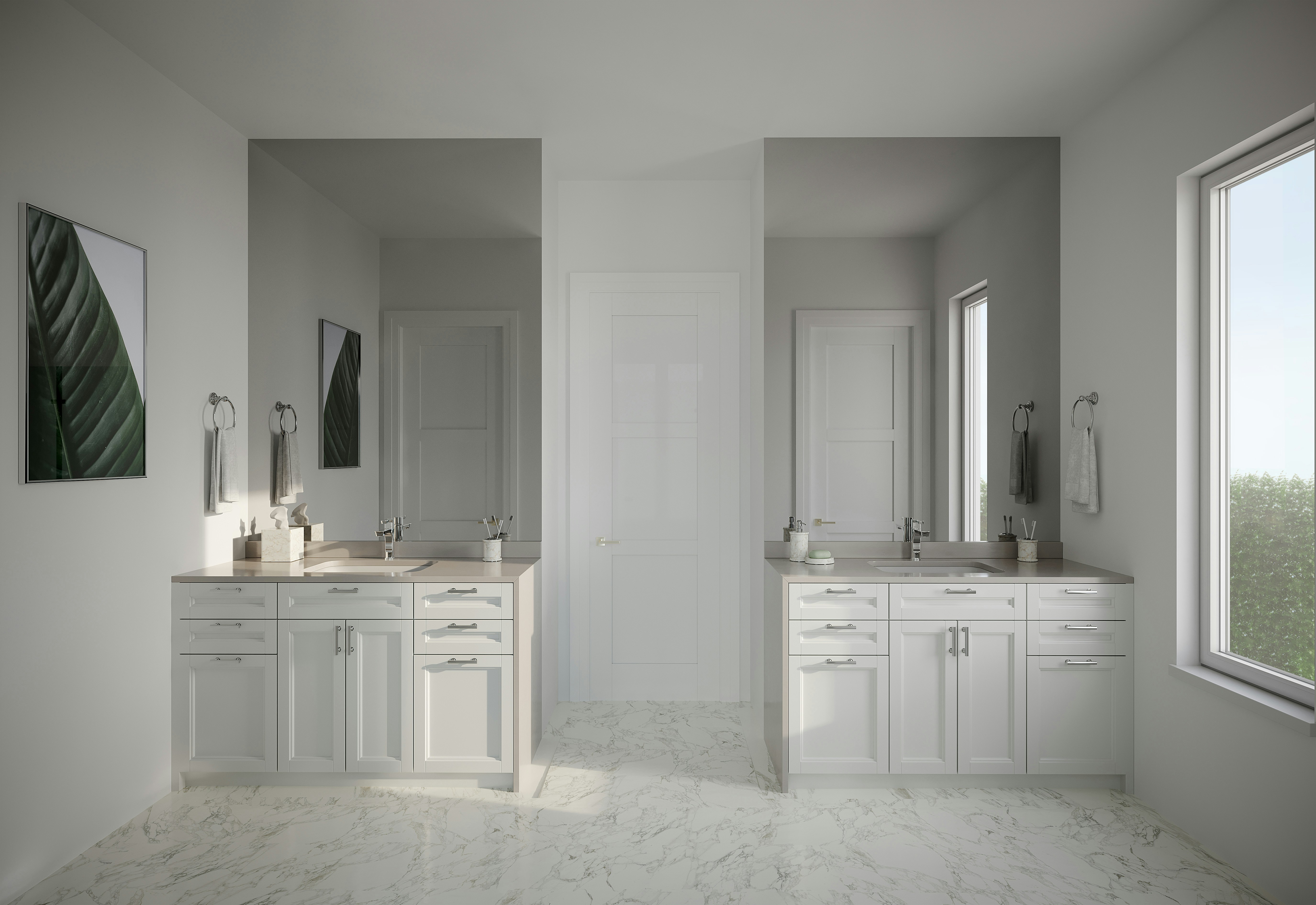
For bathrooms, quartz provides a sleek, modern aesthetic that complements various design themes. It's non-porous, resisting mildew and moisture—a key consideration in humid environments.

Important considerations include:

  • Kitchens: Durability and stain resistance
  • Bathrooms: Moisture resistance and style
  • Adaptability: Fits modern and traditional designs

Evaluating these factors ensures that the chosen surface not only meets functional needs but also complements the space's aesthetic.

Environmental Impact and Sustainability

When considering countertops, environmental impact is important. Quartz countertops have a smaller carbon footprint. They're manufactured with minimal waste, and recycled materials are often used.

Marble, being a natural stone, has a higher environmental cost. Quarrying marble involves energy-intensive processes. This impacts the earth's ecosystem significantly.

Key sustainability factors include:

  • Quartz: Uses recycled materials, lower carbon footprint
  • Marble: Higher energy consumption, impacts natural resources

Choosing materials that align with sustainable practices can contribute positively to the environment. Quartz’s eco-friendly production makes it a preferable choice for those conscious of their environmental footprint.

Carrara Marble Sculpture

Making the Right Choice for Your Home Renovation

Selecting the perfect countertop material involves careful planning. Consider your lifestyle and daily use. Quartz suits those desiring low maintenance with high durability.

Marble countertops are ideal for those who prioritize elegance. However, they do demand more upkeep. Each material supports distinct design styles, from classic to modern.

Reflect on these factors when deciding:

  • Durability Needs: Kids or heavy use favor quartz.
  • Style Preferences: Marble offers timeless beauty.
  • Budget Constraints: Compare prices per square foot.
  • Maintenance Willingness: Assess cleaning efforts required.

Consider both aesthetics and function when choosing between quartz and marble. Align your choice with your home renovation goals for optimal satisfaction. A well-informed decision enhances both beauty and practicality in your space.

Callback
Get Instant Quote